Creating Functional Spaces with Smart Interior Design

In today's fast-paced world, the way we design our living and working spaces has a profound impact on our daily lives. Smart interior design goes beyond aesthetics; it focuses on creating functional spaces that enhance our well-being and productivity. This blog post will explore how to achieve this balance through thoughtful design choices, innovative solutions, and practical examples.
Understanding Smart Interior Design
Smart interior design is an approach that integrates functionality, aesthetics, and technology to create spaces that work for us. It considers how we interact with our environment and aims to improve our quality of life. Here are some key principles of smart interior design:
Functionality: Every element in a space should serve a purpose. This means choosing furniture and decor that not only look good but also enhance usability.
Sustainability: Using eco-friendly materials and energy-efficient solutions is crucial in modern design. This not only benefits the environment but also creates healthier living spaces.
Technology Integration: Smart homes are becoming increasingly popular. Incorporating technology can streamline daily tasks and improve comfort.
The Importance of Space Planning
Effective space planning is the foundation of smart interior design. It involves arranging furniture and decor in a way that maximizes functionality and flow. Here are some tips for effective space planning:
Assess Your Needs
Before you start designing, take the time to assess your needs. Consider how you use your space and what activities take place there. For example:
Living Room: Do you entertain guests often? If so, create an open layout that encourages conversation.
Home Office: If you work from home, ensure your desk is positioned for optimal productivity and comfort.
Create Zones
Dividing your space into zones can enhance functionality. For instance, in a small apartment, you might create distinct areas for sleeping, working, and relaxing. Use rugs, furniture placement, or even room dividers to define these zones.
Optimize Traffic Flow
Ensure that there is a clear path for movement throughout your space. Avoid placing furniture in a way that obstructs pathways. A well-planned layout allows for easy navigation and enhances the overall experience of the space.
Choosing the Right Furniture
Selecting the right furniture is crucial for creating functional spaces. Here are some considerations:
Multi-Functional Pieces
Invest in furniture that serves multiple purposes. For example:
Sofa Beds: Perfect for small living rooms or guest rooms, they provide seating during the day and a bed at night.
Storage Ottomans: These can serve as footrests, extra seating, and storage for blankets or magazines.
Scale and Proportion
Choose furniture that fits the scale of your space. Oversized furniture can make a small room feel cramped, while tiny pieces can get lost in a large area. Aim for a balance that complements the overall design.
Comfort and Ergonomics
Prioritize comfort, especially for pieces used frequently, like chairs and sofas. Ergonomic designs can improve posture and reduce strain, making your space more enjoyable.
Incorporating Color and Texture
Color and texture play a significant role in interior design. They can influence mood and perception of space. Here’s how to use them effectively:
Color Psychology
Different colors evoke different emotions. For example:
Blue: Calming and serene, ideal for bedrooms or relaxation areas.
Yellow: Energizing and cheerful, perfect for kitchens or playrooms.
Layering Textures
Incorporating various textures can add depth and interest to your space. Consider mixing materials like wood, metal, and fabric. For example, a soft velvet sofa paired with a sleek glass coffee table creates a dynamic contrast.
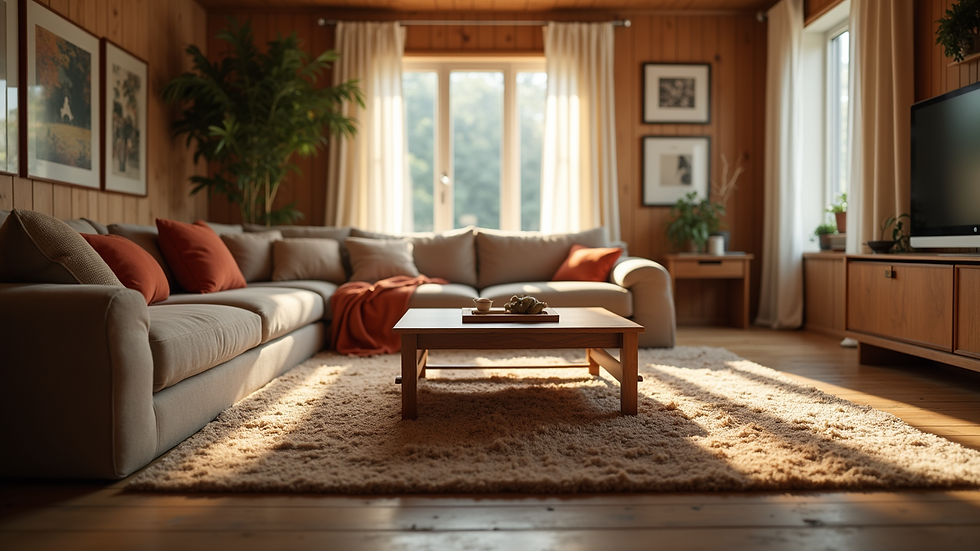
Lighting: The Unsung Hero
Lighting is often overlooked but is essential in smart interior design. It can transform a space and affect how we feel within it. Here are some tips for effective lighting:
Natural Light
Maximize natural light by using sheer curtains or strategically placing mirrors to reflect light. Natural light can make a space feel larger and more inviting.
Layered Lighting
Use a combination of ambient, task, and accent lighting to create a well-lit environment. For example:
Ambient Lighting: General lighting for the entire room, such as ceiling fixtures.
Task Lighting: Focused lighting for specific tasks, like reading lamps or under-cabinet lights in the kitchen.
Accent Lighting: Highlighting artwork or architectural features with spotlights or wall sconces.
Smart Lighting Solutions
Consider smart lighting systems that allow you to control brightness and color temperature through an app. This flexibility can enhance mood and functionality.
Sustainable Design Choices
Sustainability is a crucial aspect of modern interior design. Here are some ways to incorporate eco-friendly practices:
Use Sustainable Materials
Choose furniture and decor made from sustainable materials, such as reclaimed wood, bamboo, or recycled metals. These options reduce environmental impact and often add unique character to your space.
Energy Efficiency
Invest in energy-efficient appliances and lighting. Look for products with Energy Star ratings, which can save you money on utility bills while reducing your carbon footprint.
Indoor Plants
Incorporating indoor plants not only enhances aesthetics but also improves air quality. Consider low-maintenance options like snake plants or pothos, which thrive in various conditions.
Personalizing Your Space
Creating a functional space also means making it personal. Here are some ways to infuse your personality into your design:
Artwork and Decor
Choose artwork and decor that resonate with you. This could be family photos, travel souvenirs, or pieces from local artists. Personal touches make a space feel like home.
Color and Style
Don’t be afraid to express your style through color and design choices. Whether you prefer minimalist, bohemian, or industrial styles, ensure your space reflects who you are.
DIY Projects
Engage in DIY projects to create unique pieces for your home. This could be anything from painting a canvas to building your own furniture. DIY projects can be fulfilling and add a personal touch.
Conclusion
Creating functional spaces with smart interior design is about more than just aesthetics; it’s about enhancing your quality of life. By focusing on space planning, choosing the right furniture, incorporating color and texture, optimizing lighting, and embracing sustainability, you can create a home that is both beautiful and functional.
As you embark on your design journey, remember to personalize your space to reflect your unique style and needs. The goal is to create an environment that supports your lifestyle and brings you joy. Start small, make thoughtful choices, and watch your space transform into a functional haven.


Comments